Speakers
Invited speakers and panellists
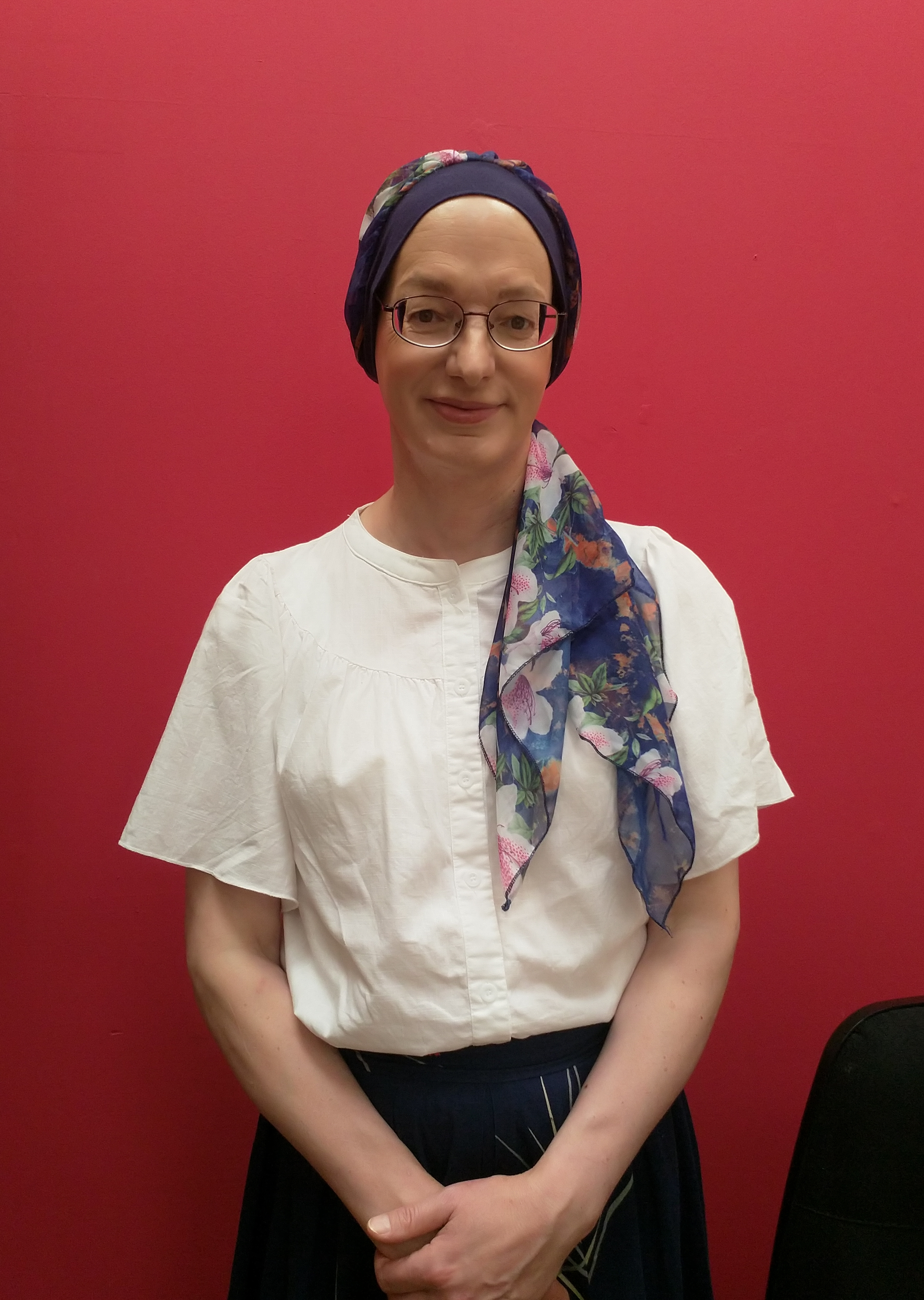
Professor Kathryn Cowtan (she/they)
Kathryn is an interdisciplinary computational scientist working in York Structural Biology Laboratory, with interests spanning data analysis problems in molecular biology and climate science as well as science communication and the motivated rejection of science.
As an undergraduate she studied theoretical physics at the University of York, and continued to do a PhD in the department. Kathryn then moved to chemistry to join the structural biology laboratory, where she has developed software for key steps in the solution of molecular structures from X-ray crystallography data.
In the last decade Kathryn has also become interested in data analysis problems in climate science, and in particular in historical temperature data from weather stations and ships. This interest was originally motivated by an awareness that some people reject the scientific consensus around anthropogenic climate change. In addition to working with the UK Met Office and other organizations on historical observations, she has also worked with psychologists and social scientists on the motivated rejection of climate science.
Recently Kathryn has developed a postgraduate taught programme in data science with major emphasis on reducing barriers to participation, especially in the areas of gender and neurodiversity.
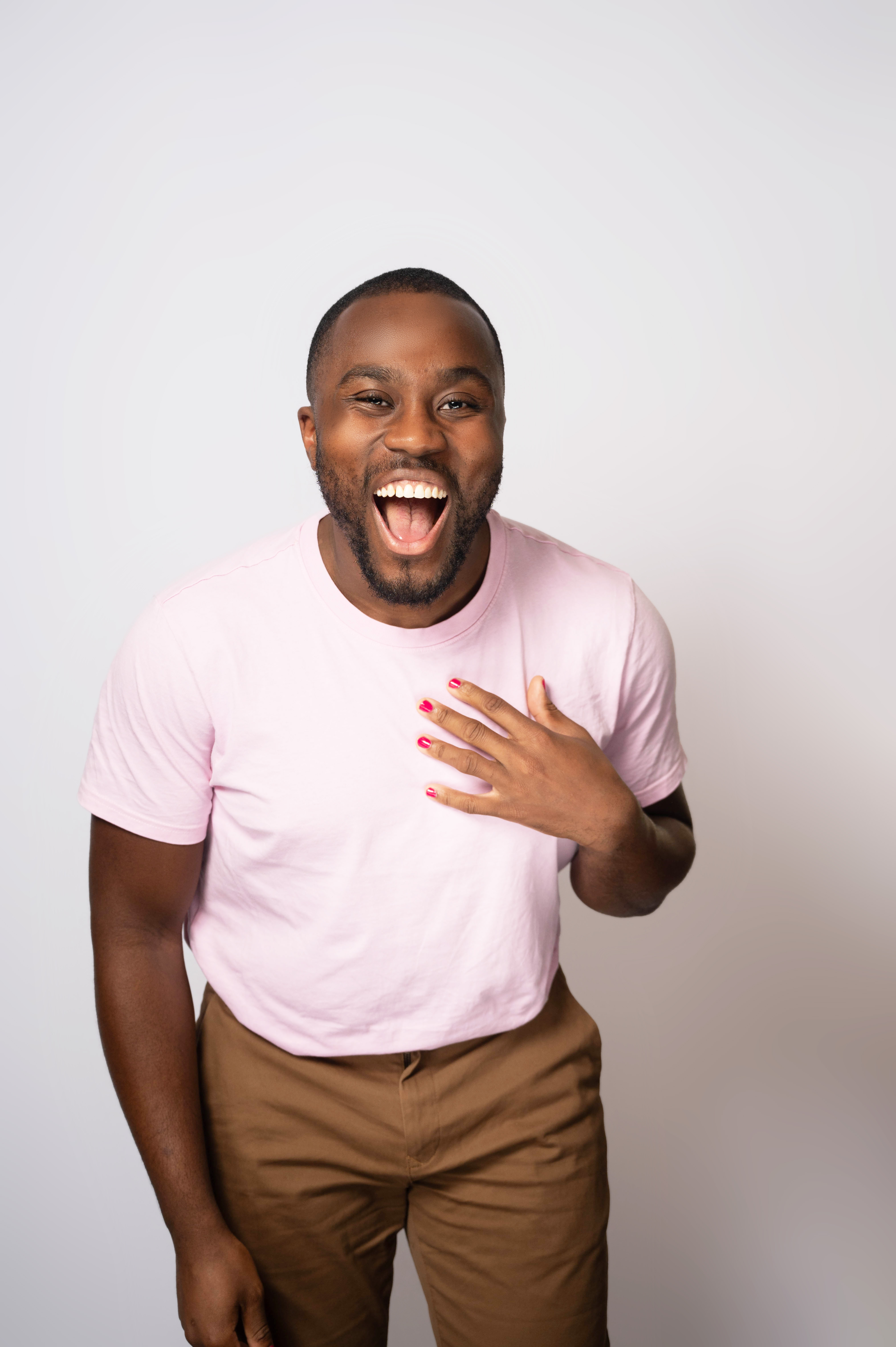
Dr Craig Poku (he/they)
Craig holds a PhD in Atmospheric Sciences from the University of Leeds. Following a career in atmospheric science research, Craig now works as a Senior Applied Data Scientist for Dunnhumby, a data science consultancy focused on putting the customer first. Throughout Craig's career, they have always focused on putting Black and Queer people at the heart of their work. This has led Craig to be invited to talks discussing diversity in Tech, leading panels on marginalised communities and bias, and assisting in building the sustainability proposition at places such as Datasparq.
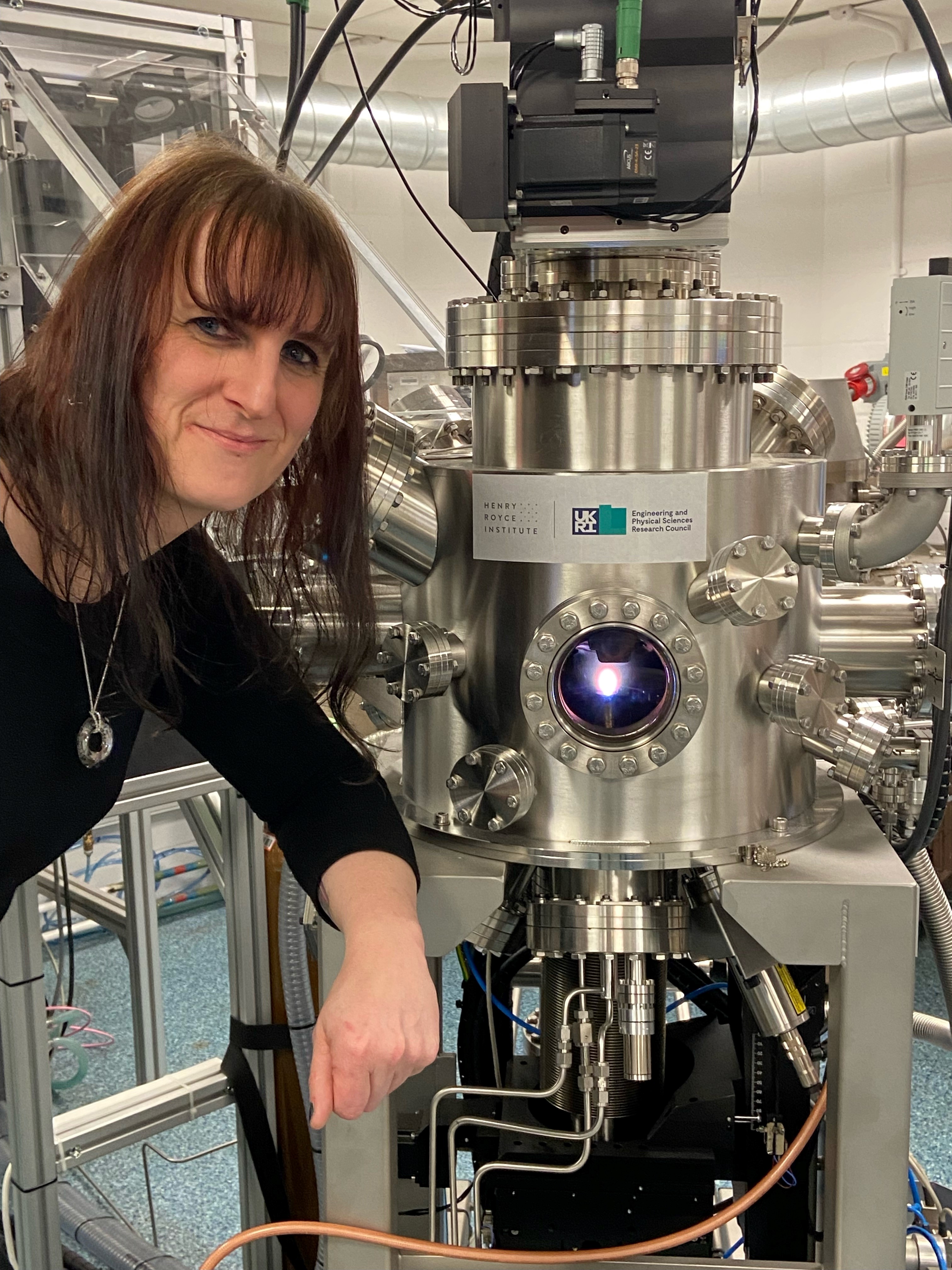
Dr Clara Barker (she/her)
Clara is a research fellow working in thin film superconductors, and an advocate for equality and diversity in STEM and academia, holding various roles including being on the Royal Society Diversity and Equality committee and being chair of the Institute of Physics Inclusion and Diversity Strategic Impact Board.
Clara won a PM Points of Light Award, an Oxford University VC Equality and Diversity Champion award, and recently a Pride in STEM Decadal award. She also runs a youth group for LGBTQI+ young people in Oxford.
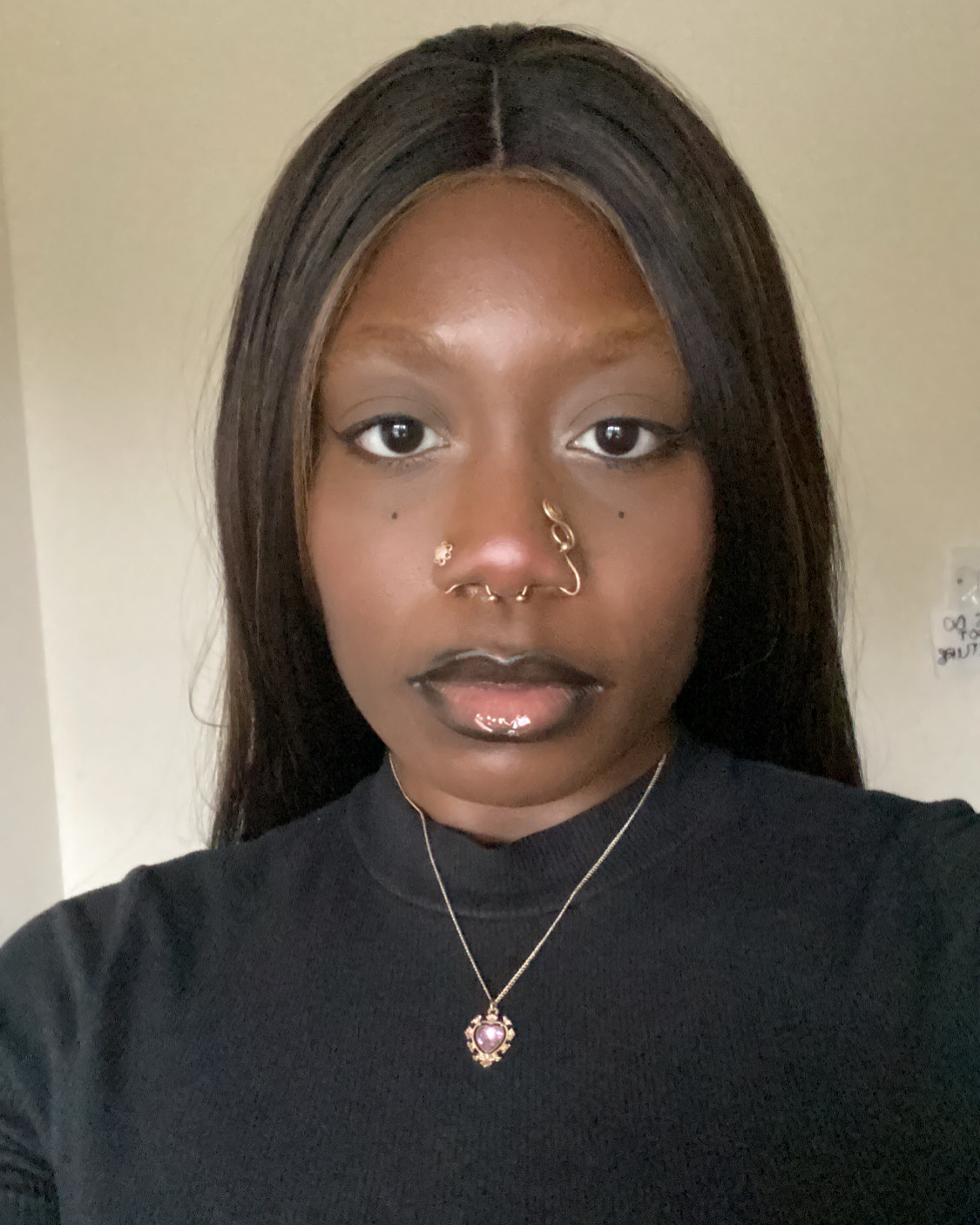
Dr Kemi Oloyede (they/them)
Dr Kemi Oloyede (they/them) is an environmental scientist and digital artist. Kemi holds a BSc in Analytical Chemistry and Forensic Science from Coventry University, an MSc in Analytical Toxicology from King's College London (KCL) and a PhD in Clinical Medicine Research from Imperial College London. In addition to this, they also have a Foundation diploma in Art and Design from the University for the Creative Arts (UCA) and currently work as a freelance illustrator. They have illustrated front covers and written for scientific research journals such as Analytical Chemistry and Environmental Science and Technology. Their PhD research involves investigating the measurement and prediction of the biotransformation rate of pharmaceuticals in the aquatic environment using in silico modelling. They aimed to predict and identify transformation products formed in environmental microbial transformation and assess the environmental risk that they may have in river water. They are currently a co-chair for Pride in STEM, an organisation which aims to highlight and uplift scientists and engineers within the LGBTQIA+ community.
Pride in STEM: prideinstem.org
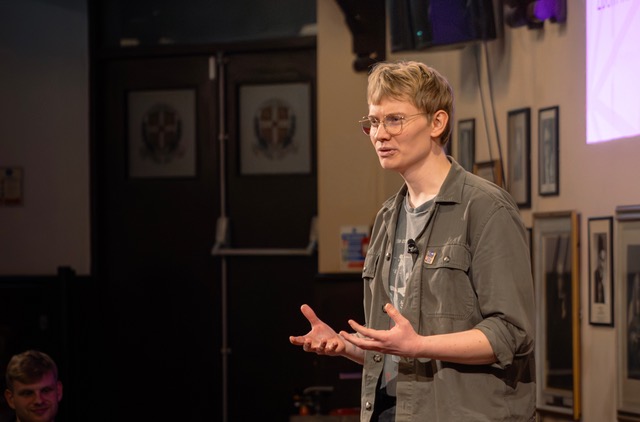
Dr Sam Daly (they/them)
Sam is a postdoctoral research associate at Cambridge Institute for Medical Research and the Yusuf Hamied Department of Chemistry at the University of Cambridge. They obtained their Master's degree in Chemistry from the University of York and their PhD from the University of Cambridge while working in the lab of Steven F. Lee. Sam's research combines the development of multi-dimensional super-resolution microscopy methods with novel cell biology techniques to understand the physical chemistry underpinning how cells sort proteins. During their career, Sam co-founded the Cambridge Queer in Chemistry Network, has contributed to various EDI working groups, and has led campaigns to promote better inclusivity within academia.
Personal website: certainlynotsam.github.io
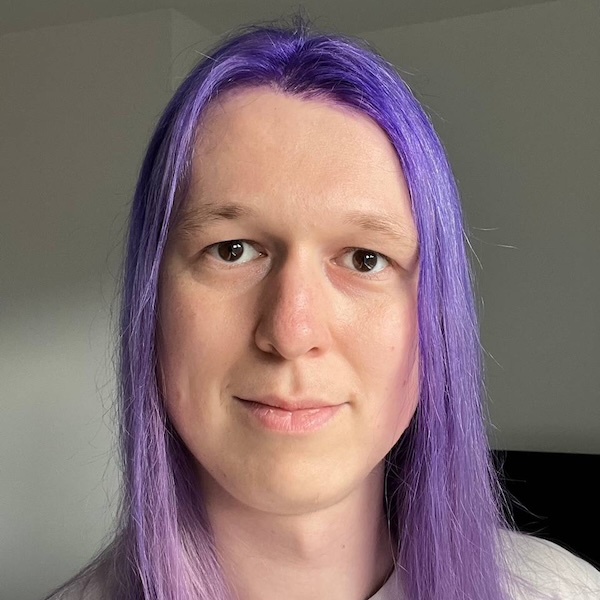
Dr Jost Migenda (they/them)
Jost Migenda is a Senior Research Software Engineer at King's College London. They work with researchers across the university (from astrophysics to cardiology) on research software projects—because better code enables better research. They are also developing and teaching courses on topics like programming with Python, version control and high-performance computing.
Originally from Germany, Jost came to the UK in 2015 to do a PhD in Astroparticle Physics at the University of Sheffield. Since then, they contributed to various LGBTQ+ in STEM outreach events run by the group Pride in STEM; they also joined the Name Change Policy Working Group, which pushes academic publishers to allow name changes on published papers. In their spare time, Jost enjoys long walks in the park and breaking HR and airline computer systems that don't know how to deal with an "X" gender marker on a passport.
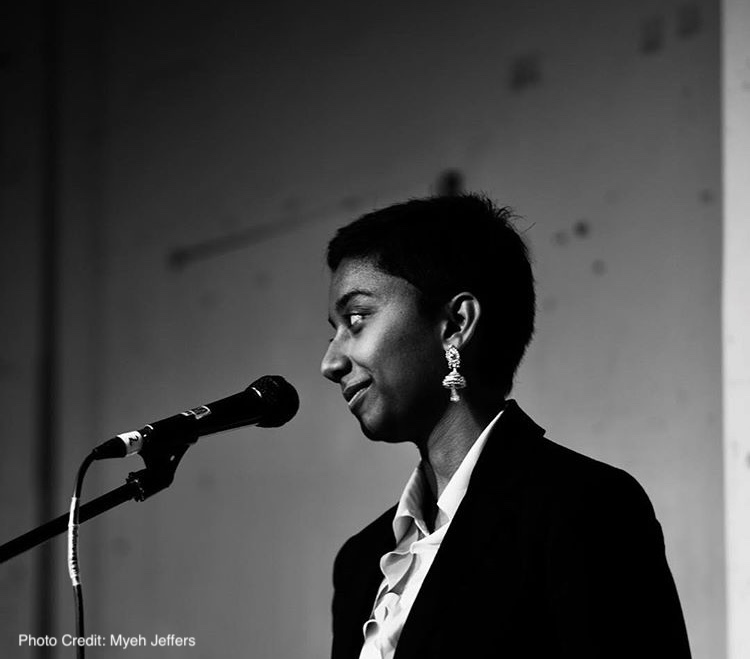
Dr Divya Persaud (she/her)
Dr Divya M. Persaud (she/her) is a planetary scientist who researches imaging techniques for planetary exploration and the political economy of the space industry. As the co-founder of the cross-disciplinary conference Space Science in Context, research manager of the Palestine Space Institute, and an accessibility consultant, she foregrounds justice-based practice in STEM, from enabling access for marginalised scientists to challenging the role of science in global in/justice. Her organising work centres on abolitionist principles towards collective liberation, spanning trade union organising, migrants' rights advocacy, mutual aid, and political education. Dr. Persaud has spoken, written, collaborated, consulted, and advised internationally. She is asking you to do what you can today to interrupt genocide, dismantle settler colonialism, and free Palestine. You can learn more about her work at divyampersaud.com.
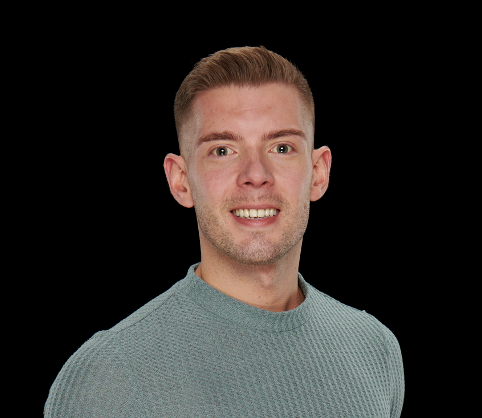
Maxwell Hamilton (he/him)
Max is passionate about ensuring that science education is accessible to all. He began his career as a teacher in challenging schools in northern England, an experience that continues to shape his commitment to equity in education. He then joined the Science Museum Group Academy, where he focused on embedding science capital into practice, collaborating with schools and cultural institutions to make science more inclusive and engaging for diverse audiences. Max joined the Royal Society of Chemistry in 2023 as a Programme Manager within the education teams, and currently serves as co-chair of the RSC LGBT+ ACT (Allies and Colleagues Together) network, a newly established group creating a safe, supportive space for LGBT+ colleagues and allies.
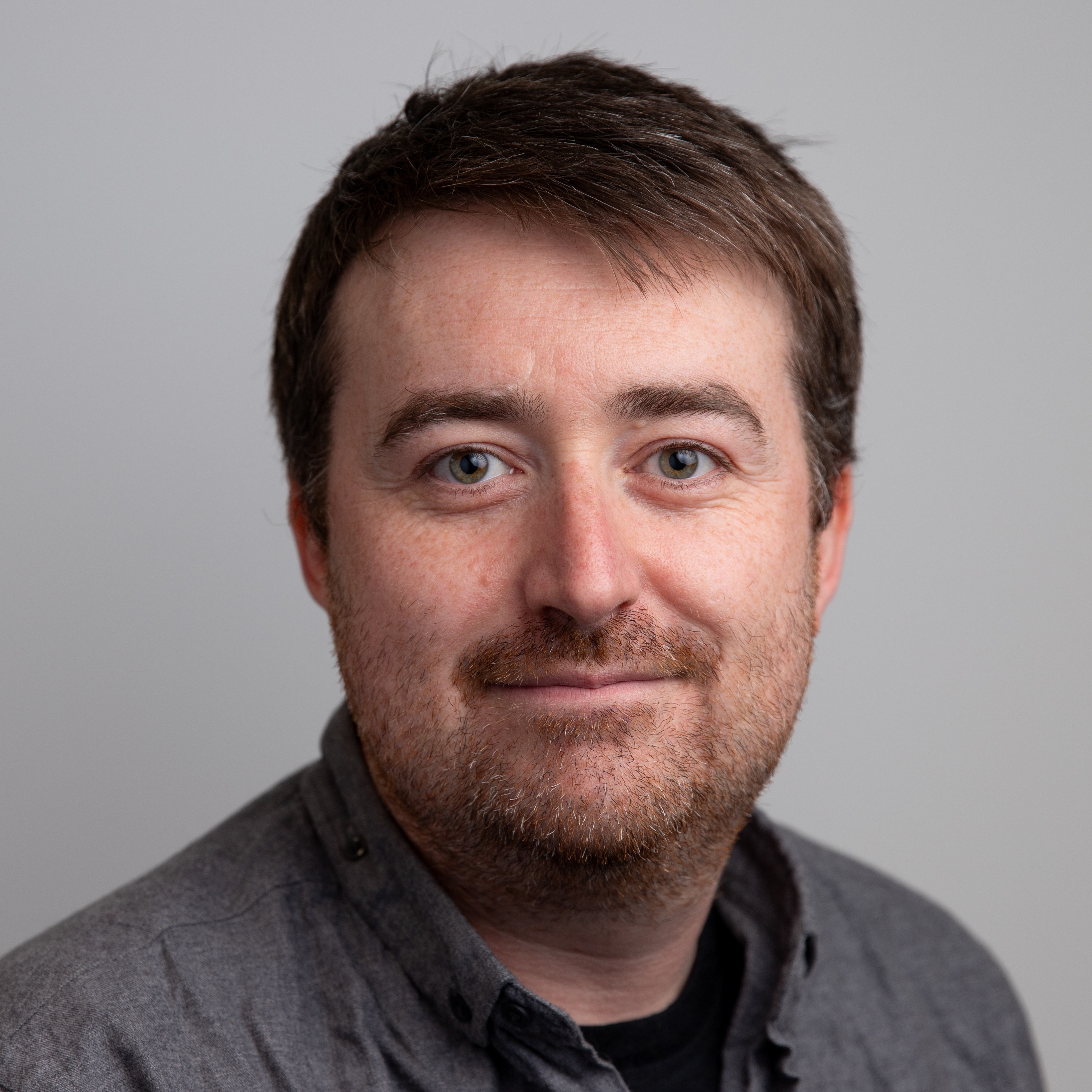
Dr Stephen Hendry CChem MRSC (he/him)
Stephen is a dedicated advocate for inclusion and diversity in the chemical sciences. Before joining the RSC, he worked as an Education Coordinator in Scotland, supporting teachers and students across all levels, with a particular focus on inclusive practices for students with Additional Support Needs. He joined the Royal Society of Chemistry as Programme Manager for Socioeconomic Inclusion within the Global Inclusion team, leading initiatives to increase diversity and foster partnerships globally. Beyond his professional work, Stephen volunteers as a Senior Chemist for The Loop, providing drug safety testing and harm reduction services, and serves as a Children's Hearing Panel Member in Scotland.
More speakers coming soon — apply here!